
When Access Meets Purpose: What the Rise of Black Women in Education Means to Me
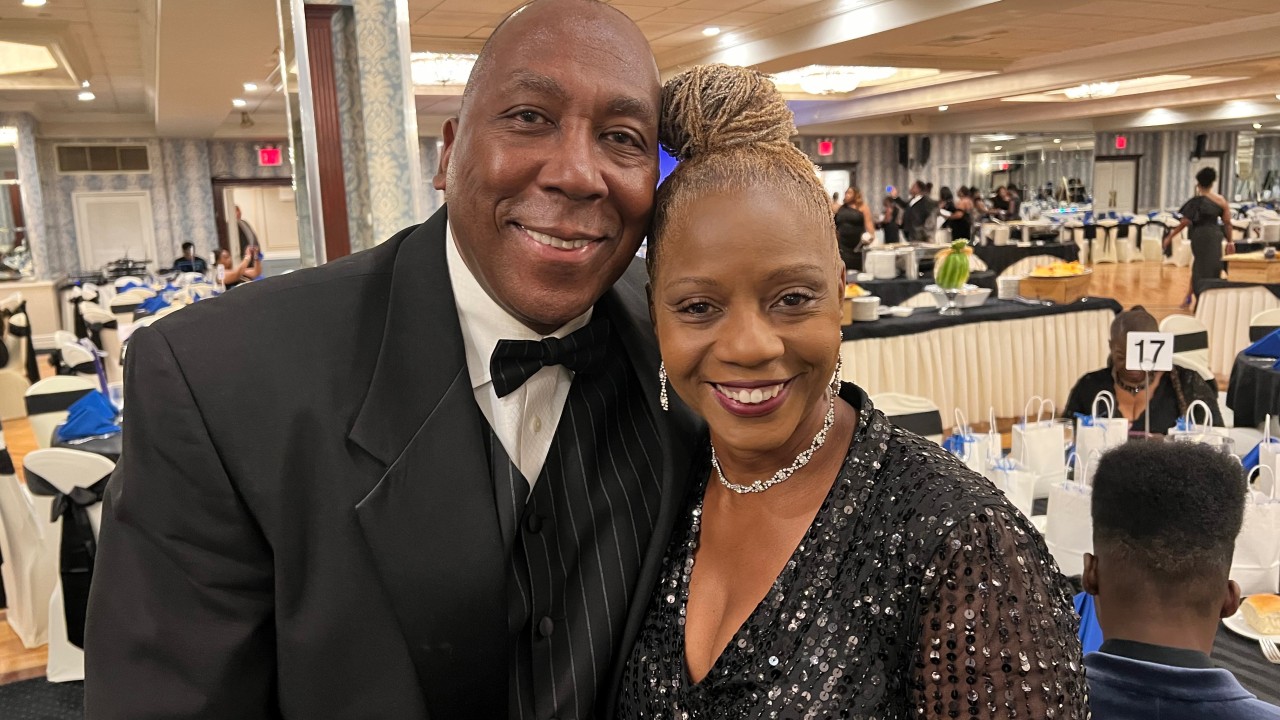
Lately, I’ve been reflecting on what it means to see Black women earning degrees at record rates. As an educator, wife, and woman who earned her doctorate while following her husband’s career across states, I feel both gratitude and pride. Gratitude for the progress our grandmothers could only dream of, and pride about what this shift reveals about how women are positioning themselves in the world.
Recent research shows that college enrollment among men continues to decline, while Black women are becoming the most educated demographic in the United States. This moment marks a powerful transformation in the meaning of education and its role in our country's collective evolution.
As we honor the growing presence of Black women in higher education, we must be careful not to turn their rise into someone else’s victim story. Instead, progress deserves celebration when access meets readiness, when history meets healing, and when legacy meets purpose.
I see the change in statistics as a story of transformation; a journey from survival to empowerment, and from permission to purpose.
From Survival to Empowerment
For generations, education for Black women represented survival. Access was neither easy nor guaranteed. They were denied entry to classrooms, scholarships, and institutions that defined intelligence through exclusion. Yet, mothers and grandmothers found a way. They studied in kitchens and church basements with borrowed books and determined spirits.
Today, I reflect on pioneers like Mary McLeod Bethune, who founded a school for Black girls with little more than faith and five dollars; Anna Julia Cooper, who declared that “when and where I enter, the whole race enters with me”; and Septima Clark, who used literacy as a tool for liberation. And I am reminded that education was never a privilege for us. It was an act of resistance. It was how we survived, organized, and redefined possibility.
I’m a first-generation college graduate, an Ivy Leaguer from Cornell University. I earned my Ph.D. in Educational Psychology from the University of Northern Colorado, another predominantly white institution (PWI). Educational Psychology was a relatively rare degree for a Black woman in 2000, and still is. With that degree, I taught in several PWIs, from community college to graduate courses.
Given my higher education experience, it’s no wonder that my life’s work centers on empowerment. Every part of my journey, from student, to scholar, to speaker, reflects my belief that education is not only about knowledge, but about identity, agency, and legacy.
From Adapting to Evolving
In my Seven Exits framework, empowerment is the process of letting go of what no longer serves us. Each Exit represents a conscious step toward alignment with our authentic selves.
Our foremothers pursued education as a means of survival, pushing open doors that had long been closed. Today, empowerment teaches us how to stand fully inside those doors—how to create, to lead, and to expand.
When a woman walks into a classroom today, she carries generations of voices urging her forward. She studies to expand her identity, to build capacity for self-trust, and to contribute from wholeness. This moves education beyond performance and awakens purpose.
This is the essence of The Seven Exits journey:
• Hyper-Ego → Authenticity
• Silence → Voice
• Dependence → Self-Ownership
• Complacency → Curiosity
• Indoctrination → Inner Truth
• Stagnant Relationships → Renewal
• Passion and Purpose → Peace
The rise of educated Black women represents the flowering of growth through grace and intention. Every empowered learner walking this path carries the potential to reshape what education means for generations to come.
A New Story for Education
I have lived this truth in my own life in a rare 34-year marriage. What makes our marriage even more rare is that my husband and I earned our Ph.D.s simultaneously, less than a decade into our marriage.
My husband’s vision was for us to rise together. Even as we followed his career from one opportunity to another, he encouraged me to keep building my dream. That partnership became a sacred lesson in collaboration—the understanding that empowerment is not a competition of who gets what, but a shared commitment to how we both grow.
Our pursuit of education was never about keeping pace with one another. It was about maintaining faith in one another. That kind of collaboration does more than strengthen a marriage. It reinforces the model for how entire communities can rise. Empowerment, at its best, multiplies itself.
The Power of Educational Empowerment
The future of education expands through collaboration. It calls for shared learning, emotional literacy, and mutual empowerment as measures of success.
The story unfolding is one of collective transformation. When we learn in partnership—whether in families, communities, or institutions—we dissolve the illusion of scarcity and open the possibility of shared thriving.
That is the essence of The Seven Exits: to recognize when a season has done its teaching and to walk boldly into the new truth unfolding within and among us.
When education expands beyond achievement, each lesson, each degree, each act of learning moves us closer to realizing who we are—both individually and collectively.
Reflection Invitation: As we celebrate the remarkable rise of Black women in education, what stories of perseverance, brilliance, or mentorship stand out to you? Whose journey has opened doors for your own, and how can we continue building pathways for the women coming after us?
Note: For more information about Dr. Rosenna Bakari, her empowerment framework Seven Exits or upcoming events and courses, visit www.rosennabakari.com or www.sevenexits.com
#SevenExits #Empowerment #Education #Legacy #BlackWomenInEducation #Purpose #Transformation #AuthenticLeadership #PersonalGrowth #EmpowermentJourney #HigherEducation #Collaboration #ThePowerOfDeparture #leadership #DEI Smith Publicity, Inc. Cynthia Tyson, Ph.D. Terainer Brown, Ph.D. Black Enterprise Magazine Sentwali Bakari Cornell University University of Northern Colorado Viola Miller